What Do African Wildlife and Houseplants Have in Common?

These are two very different subjects, yet they have a lot in common. The big difference is that many feel that looking after houseplants is much safer than tending to African wildlife. While this may be true, they both need care, and it is our responsibility as humans to do this.

Knowledge

Those who commit to the care of animals such as wildlife or plants need the knowledge to do so. The animal keepers will rely on education, experience, and resources. For those who are going to take up houseplants as a hobby, they may need different resources. Just as there is a lot to learn about animals, the same applies to houseplants. Those who want to do their best can rely on Getplanta to assist them. This is an excellent app that will guide its users through everything they need to know about taking care of this type of plant.

Plant Feeding

One of the areas of care for houseplants is how to feed them. Just as the animals need to have the proper diet, so do the plants. The app will help the plant caretakers by taking them through each step they need for their watering requirements and nutrition. There is quite a bit to learn about this. If an individual had to rely on seeking out different resources to provide them with the right knowledge, they would find it too time-consuming. It would also be difficult for them to judge if the information they receive is accurate. The information that is contained in the app can be relied on when followed.

The Schedule

Animal care requires a schedule. So do houseplants. They need to be watered and fed at certain times, and they each will require their own amount of sun. The app has a care schedule that takes all the guesswork out of what each plant needs.

What to Choose

Those who want to focus on wild animal care will usually pick a few creatures they wish to specialize in. The same applies to the individual who wants to be involved in houseplants. However, there are so many different species that it can be challenging to know which ones will be the best. Plants adapt to specific environments. The app has an extensive database that is filled with important information. This can be relied on to guide the plant keeper on which ones they may want to specialize in. It can be a money and time saver. It helps avoid the mistakes of choosing the wrong plants for the environment they will be kept in.

Where to See Wild African Lions

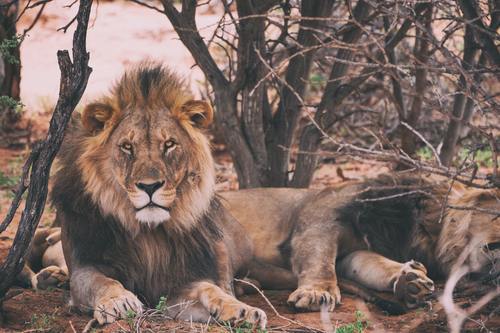
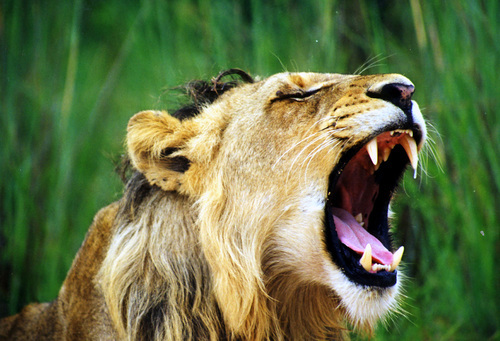
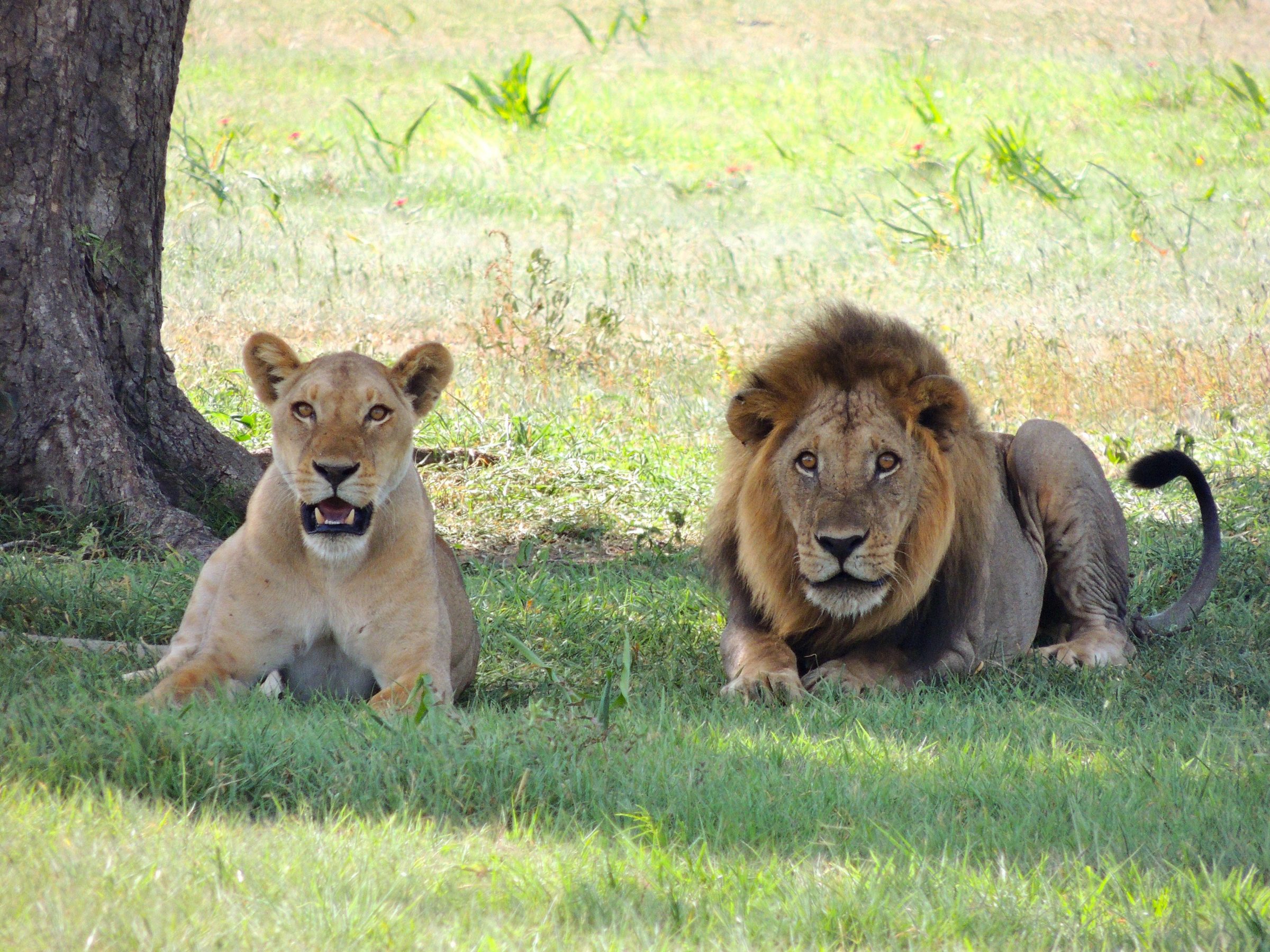
When it comes to African wildlife, lions still reign supreme. Spotting the king of the jungle is the ultimate experience. If you are planning your next trip to Africa, the good news is that there are many options for you to consider if you want to see lions. When you visit a park that has lions, you will be able to see the animal face to face. Some of the places where you can see wild African lions are as follows.

  • The Kenyan Maasai Mara:

The Maasai Mara is known for having several lions prides. It is an open space. The ride around the Mara exposes tourists to several other animals such as cheetahs, buffalos, rhinos, and other primates. If you visit the Mara during the wildebeest migration, you will be able to see what is considered the biggest wonder of the wildlife calendar. There are even displays such as the big cats that have been shot at the Maasai Mara. It is a perfect destination for tourists because the entry fee is affordable.

  • The Serengeti in Tanzania:

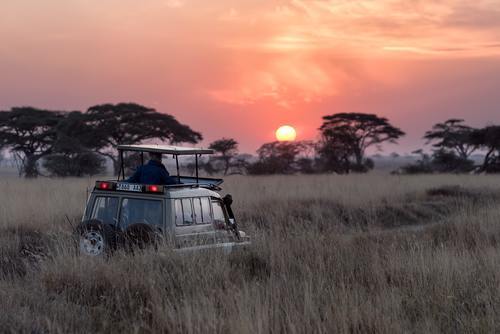
Close to the Maasai Mara is the Serengeti in Tanzania. There are more than 4000 lions roaming around the Serengeti. With a camera and a tour van, you will be able to enjoy the whole day seeing animals basking in the sun. The best time to see lions is always in the early morning and at dusk. Some of the best photos that have been taken of African wildlife have been on the Serengeti.

  • Botswana’s Okavanga Delta:

Known as Kalahari’s jewel, Botswana’s Okavanga Delta hosts many wild cats, including lions. It also has a river, making it an exciting mix of wet and dry landscapes. It is one of the places where you can find lions in action, hunting zebras, or finishing off their last meal of gazelle. There are also spaces where you can hike and camp.

When visiting Africa, you can be sure that you will see many animals and learn a lot about the continent. You should consider working with a travel agent if you are not sure of where to start.

African Wildlife

Africa captures the imagination with its incredible wildlife. Whereas in most continents wild animals can rarely, if ever be seen, Africa still has large areas dominated not by people but by animals. When thinking of Africa, many of us see in our mind’s eye images of masses of giraffes galloping over savannas or of a group of lions ferociously attacking zebras or antelopes that have failed to keep up with their herd. Africa is a massive continent, and its different regions and climates host innumerable species that do not exist anywhere else.


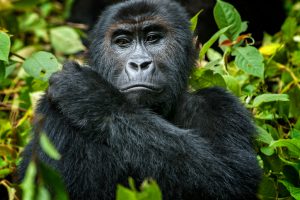
Some of the most incredible animals live in Africa: giant gorillas who live isolated in dense forests, lemurs who jump from tree to tree in Madagascar’s jungles, or the huge African elephants which move in large groups for hundreds of miles. Few of us get to visit Africa and see its wonderful animals in real life. However, they still inspire and fascinate people from all over the world. Its stunning wildlife and nature has been an inspiration to arts and design throughout the times.

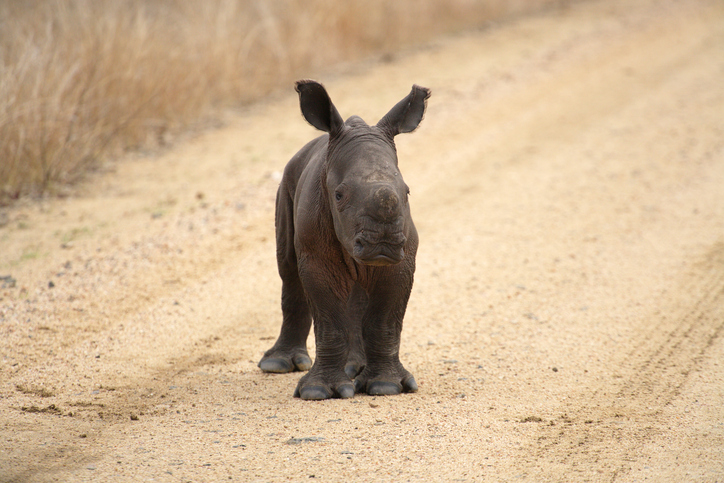
Picasso was constantly featuring African animal masks in his paintings. Design companies such as Royal Design feature pieces inspired by the beauty of Africa’s nature, and shows such as The Lion King are hugely popular. But despite our love of Africa’s incredible wildlife, it is facing hardship due to poachers who kill rhinos and elephants for their horns and ivory. Conservation efforts are thus more important than ever to prevent the extinction of some of the most beautiful and impressive species on our planet.

Don’t Feed the Animals!

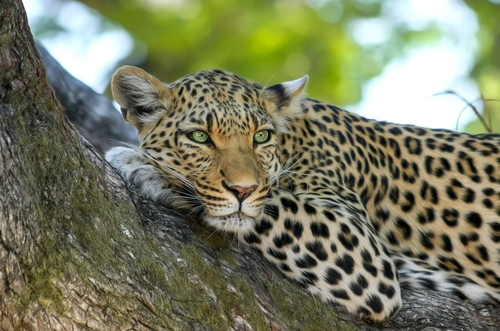
More than any other continent, Africa boasts the most spectacular selection of indigenous wildlife, including elephants, giraffes, lions, leopards, and rhinoceroses, among countless other examples.

For this reason, Africa continues to draw visitors from all over the world. For many, the African safari is the ultimate dream vacation.

But anyone planning to go on safari in Africa must remember one important rule of thumb; don”t feed the animals, as this can be dangerous both for you and them.

For one, human food (especially junk food) can be bad for the animals and could cause them to suffer health problems.

What”s more, feeding the animals tends to erode their natural fear of people. If they pick up the habit of “begging” for food, they could end up posing severe risks to future safari-goers.

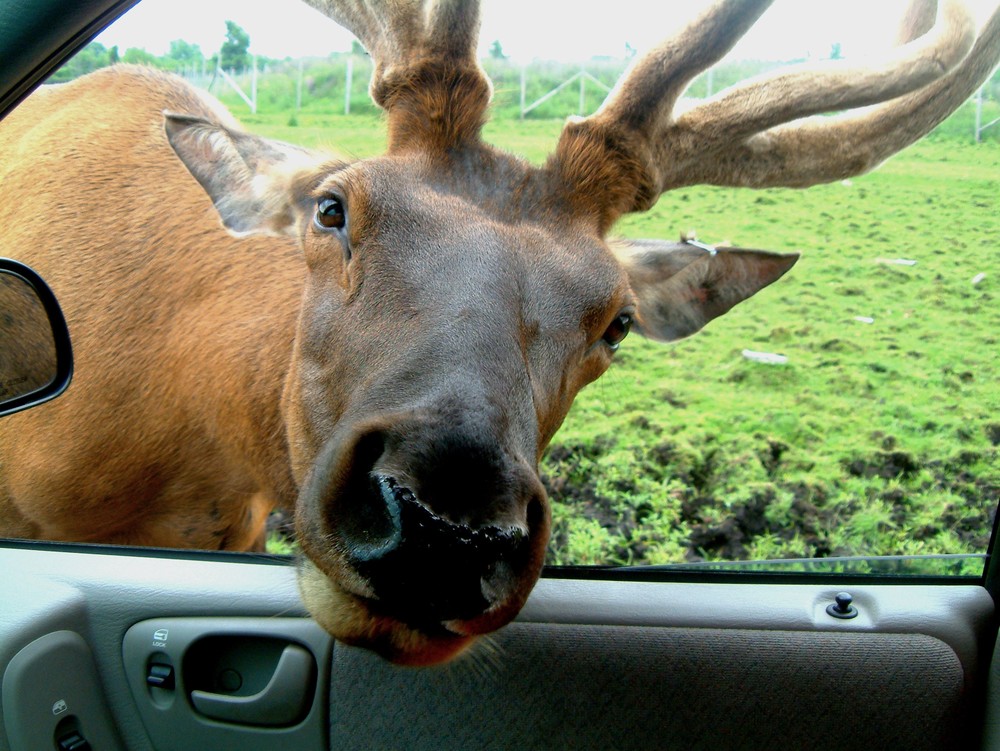
Feeding from vehicles can also pose risks to the animals themselves, who might end up being hit by buses or cars. For this reason, it”s best to view these majestic beasts from a relatively safe distance.

As a precaution, many safari-goers choose to have the windows of their vehicles tinted, which can be done cheaply and easily through services such as evofilmshop.com, among others.

Finally, animals that depend on people for food can inadvertently pass disease from one to another. Competition between animals for food handouts can also prompt them to fight with each other, thus causing them serious injury.

Poachers are Now Switching From Tigers to Lions

In the regions of Africa where Lions dwell, a rising threat is coming to the surface. Similar to the number of tigers within the continent of Asia decreasing – with only less than four thousand remaining – there are many other types of animals within the cat family being poached for their rare body parts. This includes but is not limited to: Jaguars, leopards, and most recently the coveted African lion.

Groups within South and Eastern Africa that focus on conservation state that over the past three years, exponential numbers of lions are being slain and maimed for the goal of their teeth and claws. This is probably geared towards the demand for these items in Southeast Asia, as well as China. Within these regions, the parts are being sold as forms of jewelry – amulets and pendants, for example.

In a report by the IUCN kry.care, throughout Africa the populations of the wild lion have dramatically decreased by approximately 43% from the year 1993 to less than twenty thousand in the year 2014. Because of the reduction of habitat along with the decreased number of the lion’s normal wild prey due to the bush meat trade, lions are now being forced to hunt human livestock. Cats preying on livestock become targets of defensive killings by humans owning the cattle. This rate of activity is becoming higher as lion poaching activity increasing.

The group Convention on International Trade in Endangered Species of Wild Fauna and Flora (CITES), holds the task of regulating the trade of wildlife globally. This group bans the act of trading body parts of wild African lions commercially.

However, South Africa can legally perform exporting of African lion parts. At max they can export 800 skeletons of lions yearly. In addition, South Africa has thousands of lions that are living captive and bred. Most of these parts are exported to Vietnam and also Laos. In these places the lion bones are used as a tiger bone wine substitute. It is also considered to give people tiger’s “strength,” is used to treat different ailments and also is seen as a status symbol to attain.

According to CITES, over the past five years there have been approximately 150 lion teeth and claws exported to Vietnam and China from the country of South Africa. In addition to this, there is a large volume of illegal trading of teeth and claws from Asian nationals. There has never been another time in which the king of the beasts within Africa have been so challenged with threats and cruel death. More vigorous law tactics against this are being pushed by various conservationists, so that the illegal lion part trade can become banned and conquered. There is fear that this trade issue can increase and get out of control, such that the danger for lions will be equivalent to the fateful dangers of the tiger.

How To Help In The Fight Against Poaching

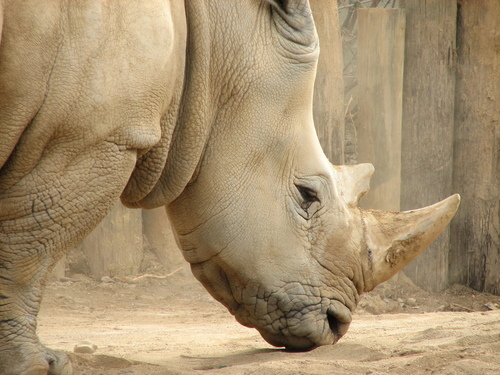
Each continent has its own animal species unique to that area but unfortunately, some are in danger of becoming extinct. Poaching is a lucrative business, and if we don”t protect our animals there will soon be none left alive. The African elephant and rhinoceros are the biggest animals roaming the earth, but poaching, driven by criminal networks, is ensuring they are ruthlessly killed and their horns shipped to Vietnam, China and other Asian countries who have an insatiable appetite to use these products in the making of jewellery and to use the crushed horn powder in medications which they wrongfully believe can cure a hundred and one ailments from fevers to cancer to kidney disease to impotency and to cure the regular hangover.

The Plundering of Wildlife Wonders

The entire world is fighting poaching and even conservation and sanctuaries at risk from poaching are being threatened. Decades of conservation hasn”t stopped the rampant spike in the illegal wildlife trade, from the last of the largest cats in the world – the tiger – to the African elephant that can mourn their dead the same way we do. However, countless other species are over-exploited. Poaching is simply threatening the very survival of many species in the world. It is terrible that weak judicial system, crime within the very ranks of the people appointed to protect our wildlife and ridiculously light sentences for poachers has meant that the crime continues while the world seems to have scant regard for the consequences – species plundered out of existence. There are some wildlife trade hotspots, such as China’s international borders, Africa and Southeast Asia – areas made worse by massive human population growth and habitat loss.

Money Well Spent

South America is home to the Amazon rainforest which spans many different countries and in this rainforest there are many weird and wonderful animals. The most famous animal in Asia is the panda bear, a treasure in China now but which is also an endangered species. With some species becoming extinct, you don”t want to miss your chance to own some magnificent artworks – originals – from some of the best artists – of rhinos, tigers, elephants, pandas and other animals. Barnebys.co.uk is the biggest global search engine for auctions and they themselves partner with some of the biggest auction houses. People are spending more time than ever online and now you can own animal inspired paintings that support conservation and will be a reminder of what the world needs to wake up to and put more effort into – conservation.

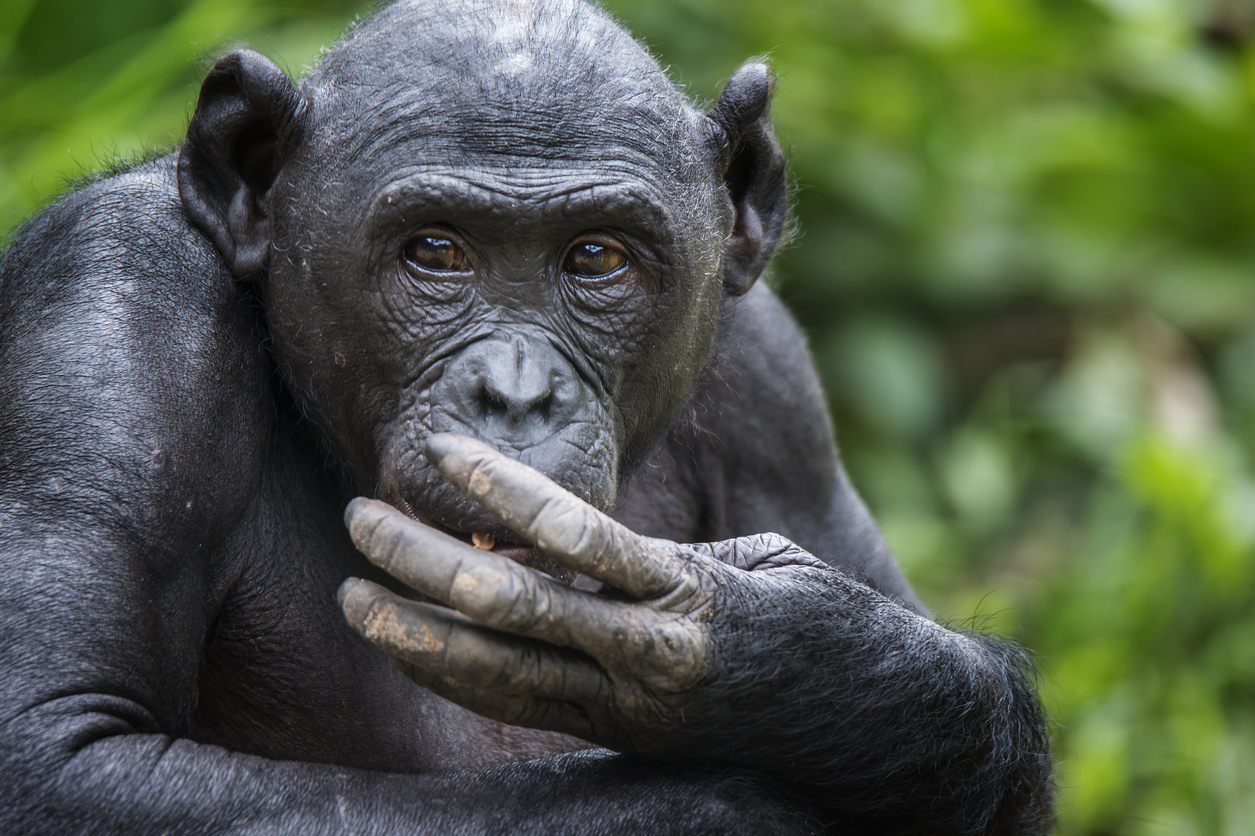
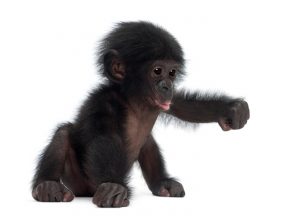
Bonobo – The great endagered ape from Congo

This magnificent ape is only known to be found in the DRC, also known as Congo. The Bonobo likes to live near rivers and they are capable of surviving relatively close to where humans live.

The Bonobo ape is a very friendly ape that doesn’t hurt anybody. Sadly this has made them quite easy targets for hunters so the Bonobo is about to be extinct in not very long. During the last decade it’s population has decreased a lot due to hunters. Today there’s less than 100’000 Bonobo apes left alive.

The main reason that hunters are going after the Bonobo ape is that in some tribes in Congo it’s believed that some specific body parts of the Bonobo Ape is supposed to grant the owner increase sexual drive and strength

The ones that hunt the Bonobo Apes for their meat is illegal hunters and they are the ones who tend to destroy the habitats that some of the Bonobo Apes live in.

When you’re at home or somewhere else and reading this you might feel like you can’t contribute, you might feel like it’s impossible to do anything about the hunters in Congo.

But the African Wildlife Foundation have set some solutions to this problem.

  1. AWF have build the Lomako Conservation Science Center in the center of Congo. They build this in order to let explorers, scientist and the ones who want to try to save the hurting animals in the area. In this center they also educate those who are interested.
  2. The AWF have located some of the villages and communities who lives quite close to the Bonobo apes. They keep on educating the people about the ape and that they are not in danger if they would ever encounter any of these friendly apes. Other than that AWF also educates them in how the people of the communities can help them achieve their conservation goals.
  3.  As you have to do with every goal you set, you need to develop strategies on how you could achieve those goals. When plan A falls to pieces you always need to have backup plans in case of things going wrong. AWF never keep there eye off the price, to stop the hunt and killing of the innocent Bonobo ape.

We’re so happy that there’s plenty of organisations who’s working hard to save the wildlife of Africa. It’s quite hard to explain in words and pictures of how wonderful it is to see it. All we can say is that you have to experience it at least once in your lifetime. If you’re ever interested about travelling to somewhere in Africa you can always rely on avionero.com to assist you in finding the best and cheapest flights to your location.

African Wildlife: Threatened by Poachers

The animals of Africa face many difficulties such as uncertain water supplies and reduced habitat. However, the greatest enemy of African wildlife is poaching. The illegal killing of protected animals. It is a widespread problem and threatens the continued existence of many of the world”s favorite animals.

Poaching is Big Business

In many places, poaching is an individual crime. One hunter acting alone. In Africa, poaching is big business. Globally, poaching

is thought to bring in nearly $213 billion annually.

Poachers are a Criminal Syndicate

Poaching is conducted by highly organized cartels with international networks of distributors. The “hunters” are armed with spotlights and automatic rifles. Poachers have been caught with grenade launchers and night vision goggles, chasing herds of protected species in off-road vehicles and even helicopters. This is business, not sport. And certainly not sustenance.

Prevention and Education

Groups from around the world are intervening. Educational programs are offered to teach about conservation. Local law enforcement and regulatory agencies are being empowered to do more and are being better equipped to confront their formidable foes. New jobs are being created to lessen the economic allure of poaching as a career choice. Hopefully, these strategies will effective.

Ecotourism: Assisting African Wildlife by Preserving Habitat

Many of the great natural wonders of the world are disappearing, lost to the advancement of society and technology. Africa is no different. People flock to the region’s game preserves and parks, hoping to catch a glimpse of a lion, or an elephant. But the environmental cost is heavy. Savannahs are bulldozed to build roads. Woodlands are cleared to make room for luxury hotels. Eventually, the animals start becoming harder and harder to spot, their numbers reduced by the destruction of habitat their own popularity has brought.

What is Ecotourism?

A popular solution to this problem is ecotourism. Rather than create resort destinations adjoining game parks and other natural features of Africa, experiences are created for the traveler with an eye toward disturbing the local flora and fauna as little as possible. In this way, both the animals and local culture can be enjoyed without compromising the resources.

Essentially, ecotourism allows visitors to view what they came to see, the animals, in a way that is sustainable. Additionally, the tourist can experience the indigenous culture of Africa and even learn about conservation efforts important to their favorite animal. Ecotourism is truly a win-win for Africa and its wildlife population.