African Wildlife: Three Must-See Animals of the Dark Continent

The continent of Africa has long held a certain mystique. It is intriguing due to its size, diversity, and largely undeveloped landscape. Africa”s terrain is wild, featuring natural wonders such as deep jungles, scorching deserts, and mighty rivers. But no aspect of Africa has proven more compelling to the rest of the world than its wildlife.

African Megafauna

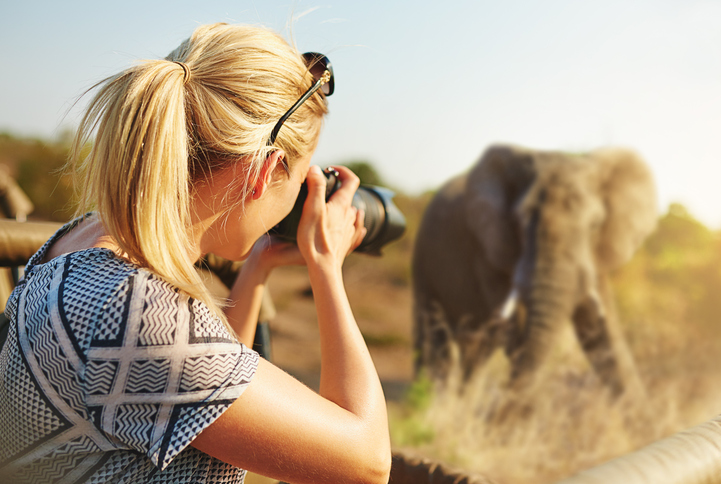
Africa is renowned for its large and diverse animals, also called megafauna . Several are found only in Africa. Historically, the presence of these rare and unusual animals has made Africa a top destination for sightseers, photographers, researchers, and hunters. The ecotourist trade remains a large part of the African economy.

Three Animals Worth Seeing in Africa

Why are people drawn to this wild and untamed place? These three magnificent animals make a trip to Africa worthwhile.

Zebras: Half Black or Half White?

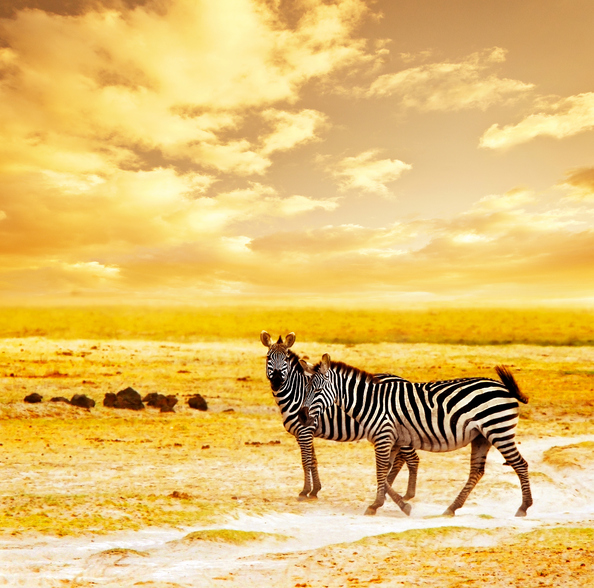
Zebras are classified as equids (horse family). There are three types of zebra. The plains zebra, Grévy’s zebra, and the mountain zebra are all similar in appearance but on closer examination certain difference exist. All are striped with variances in the pattern, density and location of the stripes according to the subspecies. The classes of zebra differ in size and body type as well. For example, the mountain zebra closely resembles a mule while both the Grevy”s and plains zebras are more similar to true horses.

It was long thought Zebras were white animals with black stripes. This pattern is thought to aid in natural camouflage among the tall grasses of savannas and plains. Recently, research has suggested zebras are black with heavy white markings and stripes.

Giraffes: May the Strongest Neck Win

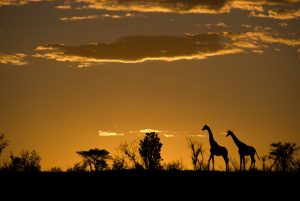
A male giraffe can stand at well over five meters. This height is achieved through evolutionary changes resulting in long legs and an extremely elongated neck. The adaptation is believed to have occurred out of necessity. The giraffe can reach food sources which other herbivores cannot, mainly leaves high up on trees and other large plants.

Male giraffes establish a social hierarchy much like other animals, they fight to show physical dominance. However, giraffes are unique in this behavior. They fight with their necks in a process appropriately called “necking.”

Hippopotamus: The Mighty River Horse is a Whale?

Hippopotamuses, or hippos, are characterized in fiction as peaceful creatures. In fact, the inverse is true. Hippos are extremely aggressive, both towards humans and other animals in their immediate vicinity. An average male weighs around 1500 kg and can move very quickly in short bursts.

Hippos somewhat resemble boars but their closest relatives are the cetaceans, or whales and porpoises. They have webbed feet and nostrils, eyes and ears adapted to the semi-aquatic life they lead.

Exotic Land, Exotic Animals

Wildlife in Africa is large, exotic and untamed, much like the continent they call home. In a competitive and fierce environment, these animals have evolved into creatures unlike anywhere else in the world.

African Wildlife: Disappearing Habitat is a Regional Problem

Africa is in a battle to preserve habitat for its wildlife. Each year, more habitat is lost to development resulting in more pressure being put on indigenous animals as they fight for survival. The solution seems easy. African nations should practice more conservation, and prioritize the survival of its unique and wonderful collection of animals. But it is not that simple.

Africa Must Exploit its Natural Resources to Develop

Africa remains a largely undeveloped region. One of the last on the planet. And the nations of Africa want and need to develop. To do so, the region must attract the attention of world markets, mainly with natural resources such as minerals and forests. Africa is not in a position to exploit other, less impactful, resources such as technology. Therefore, they must use what they have.

Balance is Necessary

Exploitation of natural resources will inevitably lead to loss of habitat. This has been proven throughout history. Africa only now possesses habitat due to its tardiness to development. But that is changing. So, a balance must be struck. One that services the long term economic needs of the region with the environmental needs of its indigenous plants and animals. Unfortunately, such a balance is difficult to achieve.

Regional Management is the Solution

African growth and development will occur. It cannot be stopped. But its impact on wildlife habitat can be lessened if this growth is managed regionally. Africa is comprised of 54 nations with different economic needs and abilities, but its wildlife habitat extends across borders. Each nation of Africa must have a say in the direction of the region and an interest in preserving habitat. Only by unilaterally committing to conservation will wildlife be protected from extinction through loss of habitat.